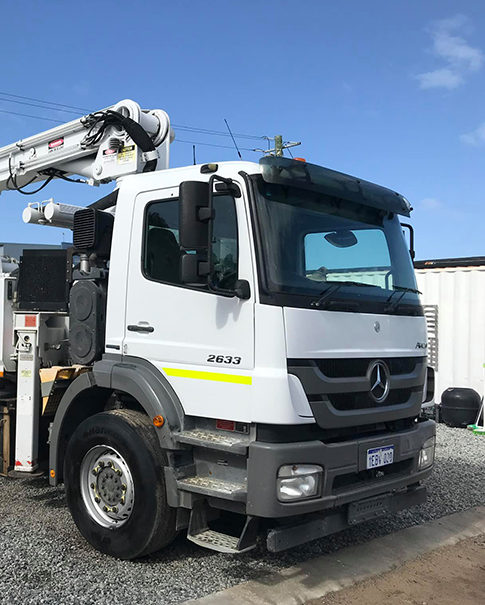

For truck drivers and freight workers, engine smoke is the most common warning of failure that cannot be ignored. Trucks operate with high load and long mileage for a long time, and delays in minor failures can easily lead to breakdowns, outages, lost work, and even high overhaul costs. In fact, no professional equipment is required. Just by looking at the color of the exhaust pipe smoke, you can quickly determine the core engine failure and accurately respond to the required replacement parts. This article breaks down four types of smoke faults in points, which is simple and easy to understand and can quickly help truck operation, maintenance and repair.
Key prerequisite knowledge: When a truck starts cold, or briefly emits a thin layer of white smoke in cold weather, this is a normal phenomenon caused by water vapor condensation. However, if the smoke continues to be thick and accompanied by an unusual odor after the engine has warmed up, or if there is abnormal power, this indicates a malfunction and requires immediate inspection and repair.
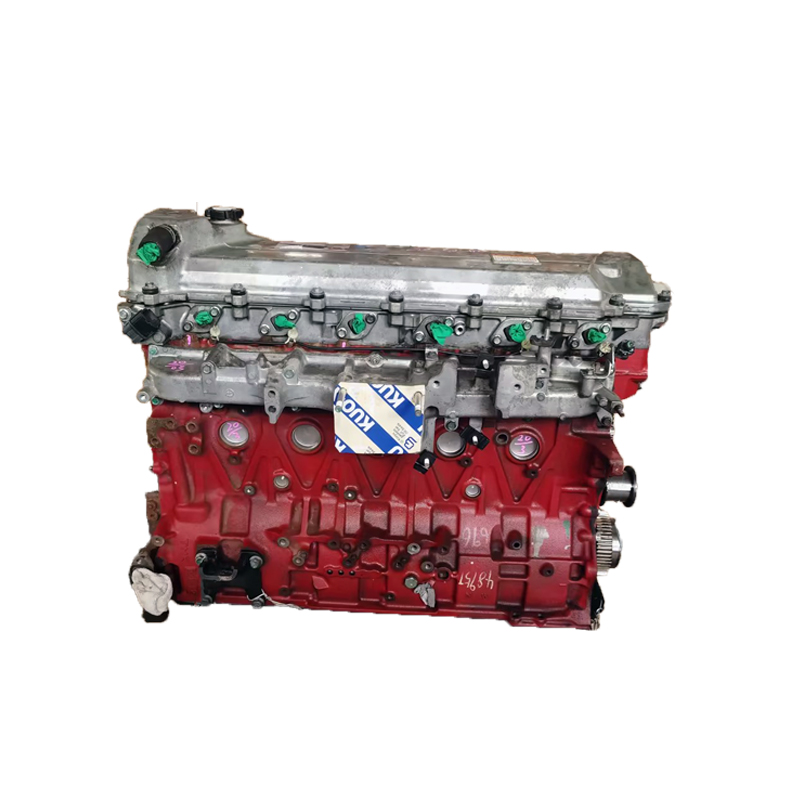
1.Dense white smoke: High-risk malfunction of the cooling system
A truck emitting thick white smoke continuously after warming up, accompanied by a sweet, unpleasant antifreeze odor and rapid antifreeze loss, is a typical sign of a cooling system malfunction. The root cause is a damaged cylinder head gasket and a minor crack in the cylinder block, allowing antifreeze to seep into the combustion chamber and burn. Under heavy truck loads, this malfunction can quickly lead to high engine temperatures, cylinder scoring, and ultimately, engine failure. Recommended replacement parts: high-quality cylinder head gaskets and cylinder block repair parts; avoid using inferior parts that cause recurring problems.
2.Black smoke: Oil-gas imbalance fault
Black smoke from trucks is essentially caused by an overly rich air-fuel mixture and incomplete combustion, a problem common in heavy-duty and long-distance vehicles. Typical symptoms include weak power, increased fuel consumption, idling vibration, and black exhaust fumes. Key causes include: clogged air filter, carbon buildup and leaking fuel injectors, a dirty or clogged throttle body, and a malfunctioning oxygen sensor. If left untreated, this can lead to a buildup of carbon deposits and blockage of the catalytic converter. Recommended replacement parts include: a high-flow air filter, new fuel injectors, and a genuine oxygen sensor.
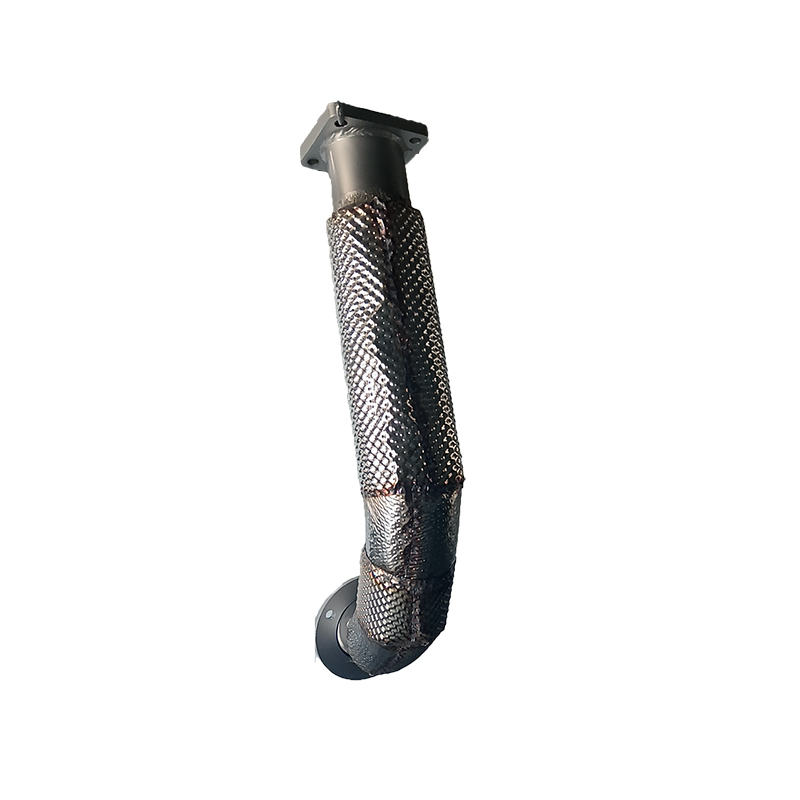
3.Blue smoke: Engine oil burning warning
Blue smoke is a key indicator of truck engine wear, almost always signifying oil burning. Smoke is most noticeable during acceleration, climbing hills, and heavy loads, accompanied by a strong burnt oil smell and a rapid drop in oil level. Minor issues may involve worn valve stem seals, while severe issues include worn piston rings and excessive cylinder wall clearance. Delaying repairs will lead to a sharp drop in power and irreversible engine wear; timely replacement of parts is essential. Replacement parts include: valve stem seals, piston rings, and genuine factory-compatible engine oil.
4.Gray smoke: a complex type of hidden fault
Grayish-white or dark gray smoke is commonly seen in older trucks, indicating a complex malfunction caused by the combustion of a mixture of engine oil, fuel, and coolant. This type of malfunction is often insidious and intermittent. The main causes are turbocharger damage and crankcase ventilation system failure, which can indirectly affect power output and increase maintenance costs. Professional inspection and replacement of the corresponding parts are necessary.
| Smoke color | Core Fault | Typical characteristics | Fault Level |
| Dense white smoke | Damaged head gasket, coolant leak | The car continues to smoke when warm, the antifreeze level drops rapidly, and there is a sweet, unpleasant odor | High risk, immediate repair required |
| Black smoke | Insufficient air intake, abnormal fuel injection, and severe carbon buildup | Poor power, high fuel consumption, and black exhaust fumes | Medium risk, timely maintenance and replacement of parts |
| Blue smoke | Valve oil seal/piston ring wear, oil consumption | Strong burnt smell in the engine oil, and the engine oil level drops rapidly | High risk, prolonged heavy-load driving is prohibited |
| Gray smoke | Turbine and crankcase ventilation system malfunctions | The smoke was thick and the malfunction occurred intermittently | Medium to high risk, professional testing and repair |
Truck engine smoke doesn't necessitate a major overhaul. Remember these key points: white smoke checks the cooling system, black smoke checks oil vapors, blue smoke checks the engine oil, and gray smoke checks the turbocharger. Accurately diagnosing the problem and promptly replacing parts with compatible genuine components can effectively avoid significant repair costs and reduce downtime. We specialize in high-quality truck engine parts, offering a complete range with high compatibility to help trucks operate efficiently and stably.
WhatsApp : +86 15060839695
WhatsApp : +86 19396061127
Email : deyauncindywu@gmail.com
Email : deyuanywyi@dyqp.cn
Tel : +86 15060839695
Tel : +86 19396061127