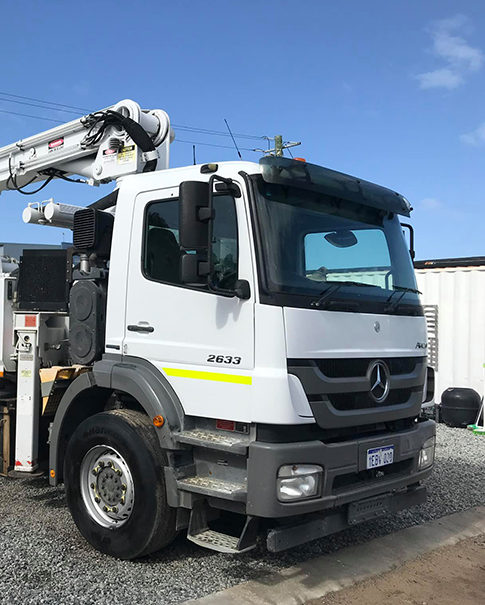
Excavators, as the "main force" of construction machinery, operate for extended periods in high-temperature, high-load environments, making engine overheating one of the most common malfunctions. Once the engine overheats, it not only affects construction progress but can also cause serious damage such as cylinder scoring and bearing failure. Today, we'll review five common causes of engine overheating and share corresponding quick repair methods.
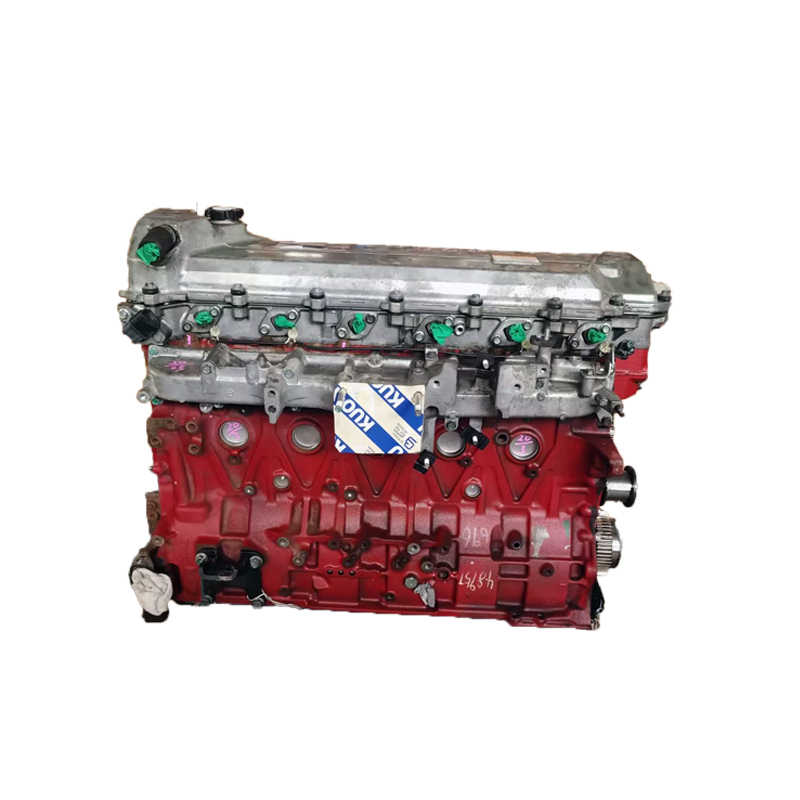
Five common reasons
1.Radiator blockage
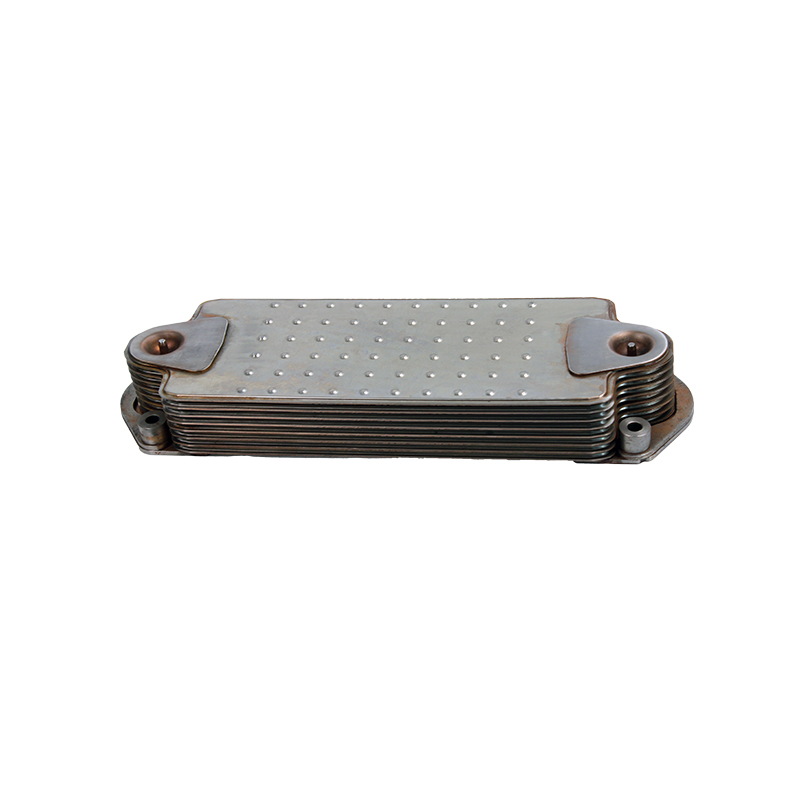
Cause Analysis: Excavator operating environments are typically dusty and cluttered with debris, easily clogging radiator fins with willow catkins, mud, and dust, thus obstructing airflow. Additionally, excessive internal scale buildup can reduce heat exchange efficiency.
Quick Repair: First, use high-pressure air to blow away external deposits from the opposite direction. If this is ineffective, soak the radiator fins in a specialized cleaning agent. For internal scale, it is recommended to regularly use a descaling agent for circulating cleaning; in severe cases, professional disassembly and unclogging of the radiator may be necessary.
2.Coolant abnormality
Many operators, for convenience, add tap water, leading to long-term scale buildup. Insufficient coolant level, expired or deteriorated coolant, or mixing different types of antifreeze can all reduce thermal conductivity, causing overheating in the cooling system. Symptoms: Slowly rising water temperature, low coolant level in the tank, cloudy and rusty coolant.
Quick Repair: Prioritize adding the same type of genuine coolant. Never open the coolant cap directly when the engine is hot or cold to avoid scalding from boiling water. If the coolant is black or has sediment, replace all of it. Check for leaks in the water pipes and tank, tighten clips, and repair any leaks. It is recommended to change the coolant every 800 hours.
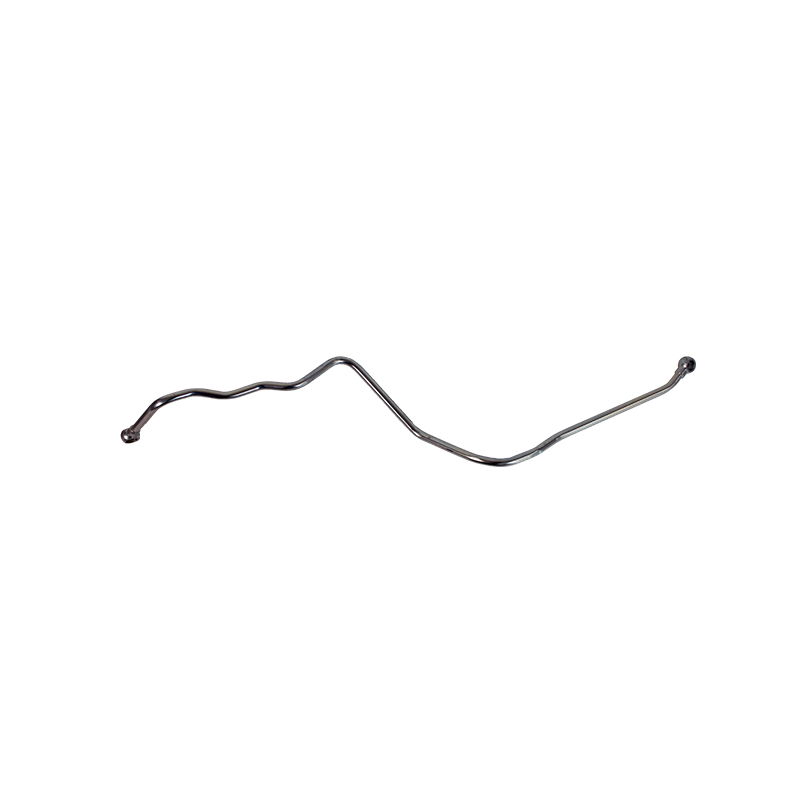
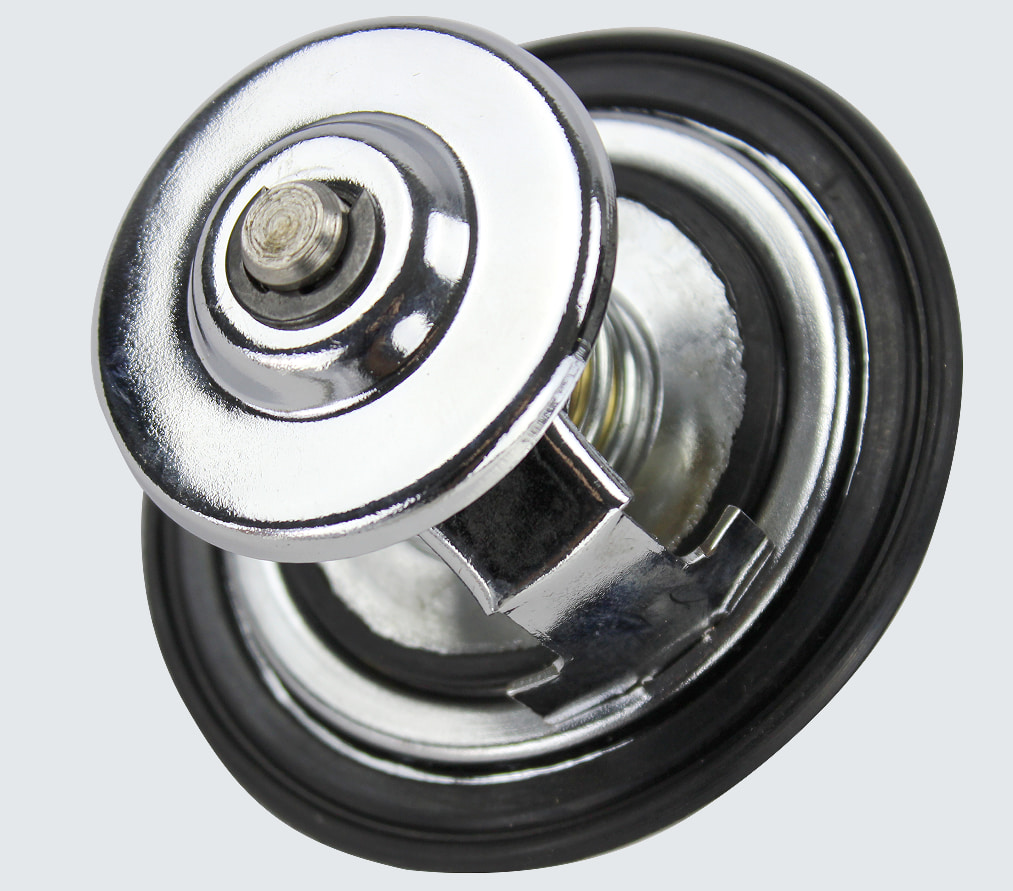
3.Thermostat stuck and malfunctioning
The thermostat controls the large and small circulation of coolant. If parts are worn or clogged with impurities, it may remain closed, allowing only small circulation of coolant and preventing heat from being transferred to the radiator. Symptoms: Extremely rapid engine warm-up when cold, with a significant temperature difference between the upper and lower radiator hoses.
Quick Repair: For emergency repairs, the thermostat can be temporarily removed. After repairs, test with 80°C hot water. If it does not automatically open, replace with a genuine part. Do not remove the thermostat for extended periods, as this can lead to increased engine wear at low temperatures and a surge in fuel consumption.
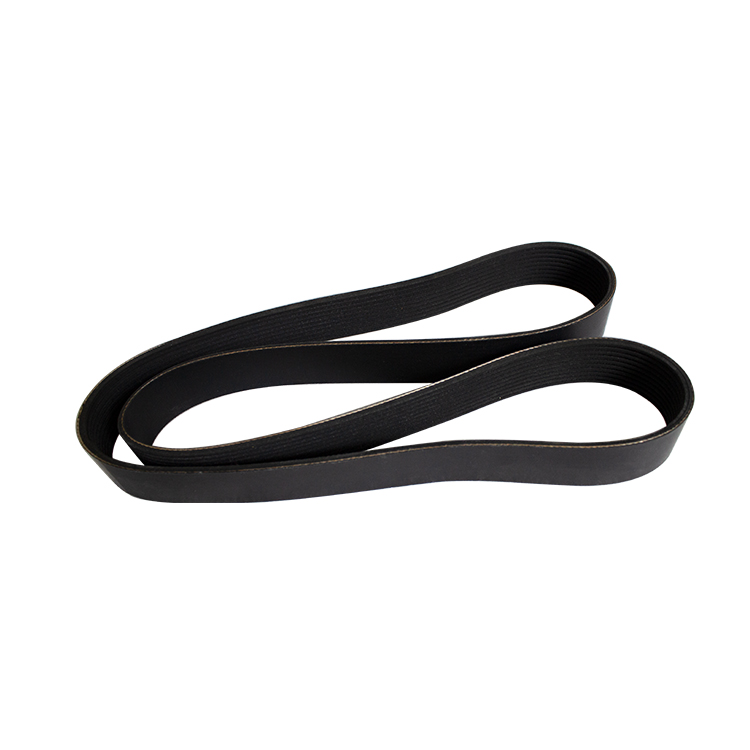
4.Cooling fan and belt failure
A worn, loose, or slipping fan belt, or a stuck coupling, can lead to insufficient fan speed and inadequate airflow. A broken belt can cause a sudden and rapid overheating. Symptoms include: reduced engine noise, weak fan rotation, and abnormal belt noise and vibration.
Quick Repair: Fine-tune the tensioner to tighten the belt; replace cracked or frayed belts directly; for hydraulic couplings that are slipping due to high temperature, clean impurities from the valve body; replace severely worn couplings directly. Basic repairs can be completed in ten minutes.
5.Long-term overload operation
Heavy-duty excavation, prolonged uphill driving, and engine stalling can cause the engine to generate heat far exceeding its cooling capacity. Deteriorated engine oil leads to poor lubrication, and the combined effect of frictional heat can easily cause internal damage. Fault characteristics: Normal coolant temperature under light load, but high temperature warning immediately appears under heavy load.
Quick repair: Optimize operating techniques, avoid prolonged full-throttle stalling, and intermittently stop the engine to allow for cooling; simultaneously check the engine oil level, and change the oil and oil filter promptly if the oil becomes dark or thin, reducing engine frictional heat.
90% of engine overheating issues are minor problems with the cooling system; never force operation when the engine is malfunctioning. Follow a troubleshooting logic of external to internal and simple to complex: first check the water tank and belts, then the coolant and other components, and finally check the operating condition. This will save you a lot of repair costs and extend the excavator's lifespan.
WhatsApp : +86 15060839695
WhatsApp : +86 19396061127
Email : deyauncindywu@gmail.com
Email : deyuanywyi@dyqp.cn
Tel : +86 15060839695
Tel : +86 19396061127