Genuine vs. OEM vs. Aftermarket Machinery Parts: A Buyer's TCO Analysis.
Aug 06, 2026
When selecting machinery and equipment, most buyers tend to use the unit purchase price as the core decision-making criterion, but they overlook the key indicator of total cost of ownership (TCO). The true cost of machinery parts includes not only the initial purchase price, but also hidden expenses such as service life, downtime losses, maintenance time, after-sales warranty, and equipment depreciation.
Among the three main types of spare parts—original equipment manufacturer (OEM) parts, original equipment manufacturer (OEM) parts, and aftermarket generic parts—low-priced aftermarket parts often present the problem of "cheap to buy, expensive to use," while high-priced OEM parts are not the optimal solution for all scenarios. This article helps companies make accurate selections and control long-term operating costs through a comprehensive TCO breakdown and intuitive comparison.
1.Core Definitions of Three Types of Mechanical Parts
Genuine Parts: Manufactured or authorized by original equipment manufacturers (OEM). These parts strictly follow original factory specifications, material standards, and quality inspections, offering 100% equipment compatibility and official full warranty coverage.
OEM Parts: Produced by certified third-party factories that supply for original brands, without the original equipment manufacturer branding. They maintain identical craftsmanship, precision, and durability as genuine parts without excessive brand premium.
Aftermarket Parts: Independently produced by third-party manufacturers to fit universal equipment models. Featuring low entry prices and flexible availability, their material quality, machining accuracy, and service life vary greatly with no standardized quality control.
TCO Comparison Table: Genuine vs OEM vs Aftermarket Parts
Cost & Performance Dimension
Genuine Parts
OEM Parts
Aftermarket Parts
Initial Procurement Cost
Highest (includes brand & authorization premium)
Mid-range (20%-40% lower than genuine parts)
Lowest (no technical or brand premium)
Service Lifespan
Longest, fully matches equipment design life
Nearly identical to genuine parts
Shorter, prone to rapid wear & precision loss
Unplanned Downtime Risk
Minimal, ultra-stable with low failure rate
Minimal, consistent performance & high stability
High, frequent sudden failures cause production halts
Maintenance & Replacement Cost
Low, long replacement cycle & less labor cost
Low, durable quality reduces maintenance frequency
High, frequent replacements increase labor & accessory costs
Warranty & After-sales Support
Complete official warranty & full after-sales coverage
Standard formal warranty & mature technical support
Limited short-term warranty, no reliable after-sales service
Overall TCO Level
Excellent, controllable long-term operating cost
Best value, lowest comprehensive TCO
Poor, hidden costs keep rising continuously
Target Application Scenarios & Practical Examples
1. Core Precision Components (Prioritize Genuine or OEM Parts)
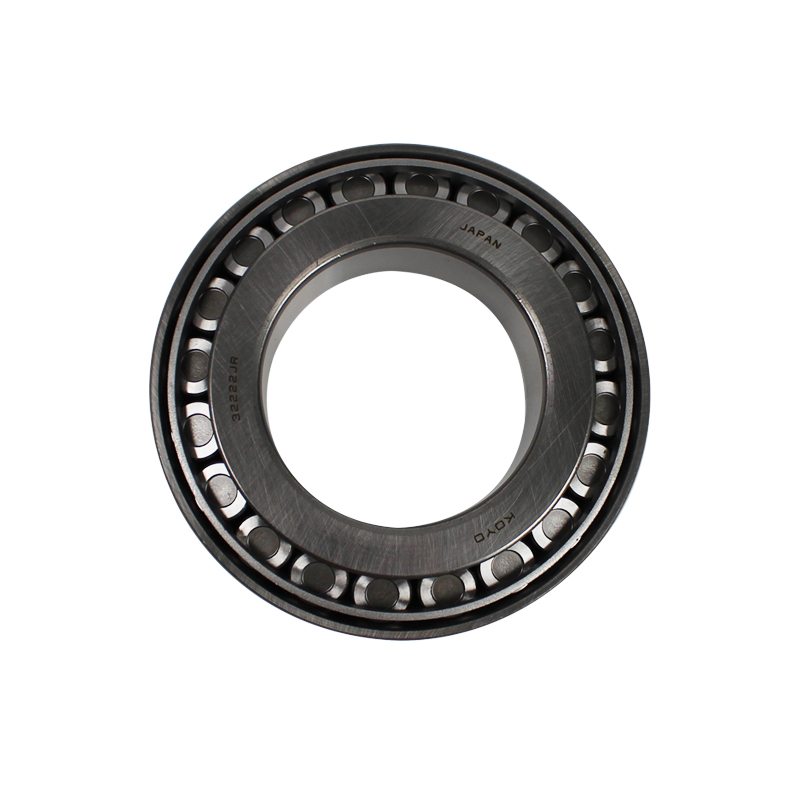
Critical load-bearing and precision parts directly determine equipment operation safety and production efficiency. Low-quality aftermarket parts easily cause dimensional deviation and performance failure, leading to costly downtime.Typical examples: hydraulic pump, engine crankshafts, gearbox gears, bearing assy, and CNC machine tool spindle components. For production line core equipment, stable performance far outweighs upfront price savings.
2.General Wear Parts (Select Qualified Aftermarket Parts)
For low-precision, frequently replaced consumables with low operational risk, standard aftermarket parts can fully meet daily operation needs and effectively reduce regular procurement costs. Typical examples: common rubber seals, ordinary gaskets, standard fasteners, filter elements, and conventional conveyor belt accessories. These parts have simple structures, and minor quality differences will not affect overall equipment performance.
3.Bulk Long-term Procurement (Best Choice: OEM Parts)
For industrial manufacturers, engineering companies, and equipment maintenance teams with large-volume and repetitive purchasing demands, certified OEM parts deliver the perfect balance of quality and cost. Typical application scenarios: batch replacement of construction machinery parts, factory equipment routine maintenance parts, and fleet mechanical component updates. OEM parts eliminate brand premium while retaining original factory quality, greatly optimizing long-term TCO.
4.Old & Discontinued Equipment (Flexible Aftermarket & OEM Matching)
For outdated equipment whose original genuine parts are discontinued or overpriced, high-quality aftermarket and customized OEM parts serve as the most practical solution. They avoid equipment scrapping caused by missing accessories and extend the service life of old mechanical devices.
Final Verdict: Optimize TCO Instead of Chasing Low Unit Price
In industrial mechanical part procurement, the cheapest option is rarely the most cost-effective one. Aftermarket parts reduce initial investment but trigger huge hidden costs including production downtime, repeated maintenance, and accelerated equipment aging. Genuine parts guarantee maximum stability but come with unaffordable brand premiums for bulk use.
Certified OEM parts stand out as the optimal solution for most B2B buyers, combining original-matching quality, competitive pricing, and reliable after-sales support. Focusing on total cost of ownership rather than one-time purchase cost is the key to sustainable cost control and stable equipment operation.