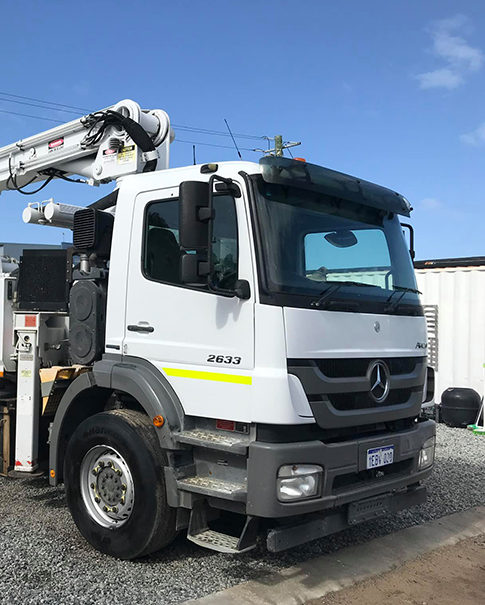

In daily truck operation, the EGR (Exhaust Gas Recirculation) system is a crucial component in ensuring the engine strikes a balance between environmental friendliness and high efficiency. As the "commander" of this system, the health of the EGR actuator directly affects the vehicle's power performance, fuel economy, and emissions compliance. However, many people have encountered problems such as torque limiting, excessive smoke, and soaring fuel consumption caused by EGR actuator malfunctions. Today, we will delve into the root causes of these malfunctions and provide clear solutions.
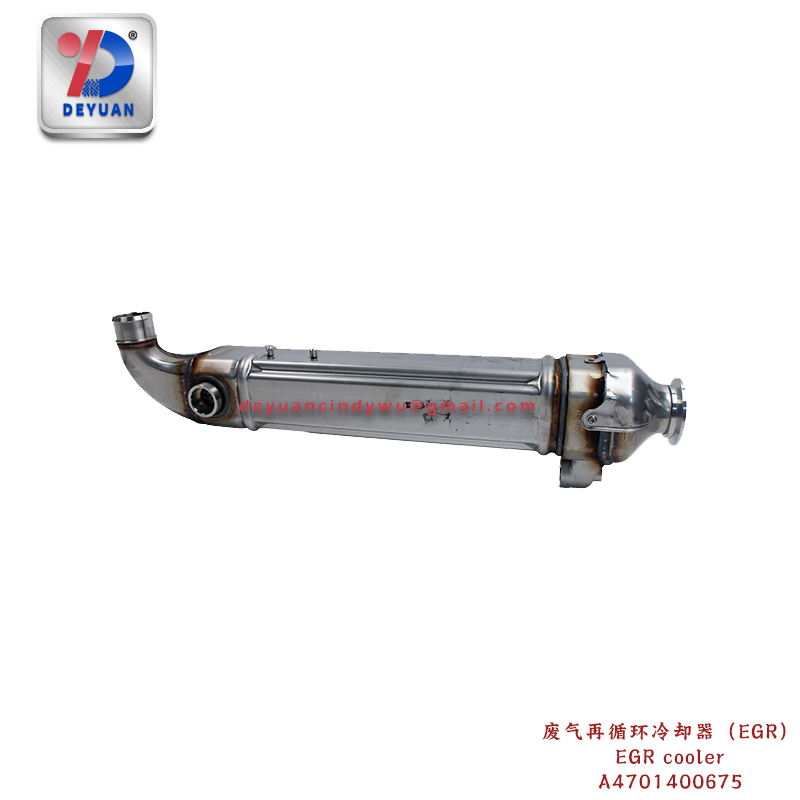
In-depth analysis of five major causes of failure
1.Carbon deposits and pollution
Diesel engine exhaust is rich in soot and unburned particulate matter. These substances continuously flow through the EGR valve and actuator with the exhaust gas, accumulating over time to form hard carbon deposits. These deposits can clog the valve's movement, preventing it from opening, closing, or accurately positioning. Prolonged short-distance driving or using low-quality fuel accelerates this process.
2.Mechanical wear and damage
Actuators contain mechanical components such as gears, motors, or diaphragms. Prolonged, high-frequency operation, especially in high-temperature and vibrating environments, can lead to gear wear, motor damage, or loosening of linkage mechanisms. Physical damage (such as impacts) can also directly cause failure.
3.Circuit and connection problems
The EGR actuator communicates with the vehicle's ECU via a wiring harness. Oxidized or loose connectors, worn or broken wiring harnesses, or short circuits in the internal solenoid valve/motor coils can all cause signal interruptions or prevent commands from being executed. These problems are often caused by moisture corrosion, vibration, or improper maintenance.
4.Gas/vacuum line malfunction
Some older models use vacuum drive. If the vacuum lines leak, become blocked, or the vacuum pump is inefficient, the actuator will lose power and fail to operate. This is an easily overlooked indirect cause.
5.Control system malfunction
The actuator's operation relies on the precise control of the ECU. If the signals from related sensors such as the EGR rate sensor and intake pressure/temperature sensor are inaccurate, or if there are problems with the ECU software calibration, it may also lead to system misjudgment and cause functional failure.
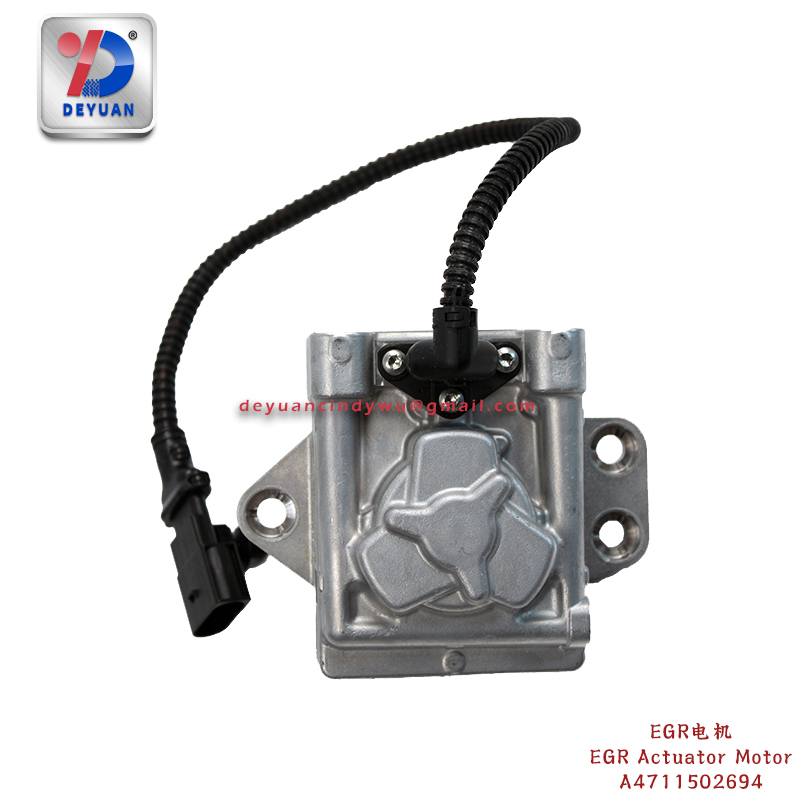
Systematic diagnosis and solutions
Step 1: Professional diagnosis and preliminary examination
Use a professional diagnostic tool to read fault codes and data streams, paying particular attention to whether the EGR valve's commanded opening degree matches the actual opening degree. Visually inspect the actuator and surrounding wiring harnesses and piping for obvious damage, oil stains, or looseness.
Step 2: Targeted Cleaning and Repair
If the problem is diagnosed as stuck, try soaking and cleaning with a specialized valve body cleaner. For severe carbon buildup, disassembly and manual cleaning are necessary. Do not use hard objects to forcibly scrape, as this may damage the precision valve seat and stem surface. Measure the actuator power supply and signal voltage, and use a multimeter to measure the resistance value of the motor/solenoid valve. Compare this value with the standards in the service manual to determine if there is an open circuit or short circuit.
Step 3: Decision on Repair or Replacement
When replacing the EGR cooler, be sure to simultaneously inspect and clean the intake manifold to prevent residual carbon deposits from instantly contaminating the new parts. After replacement, a diagnostic tool must be used to perform matching and adaptive learning, and historical fault codes must be cleared.
Step 4: Long-term prevention strategies
Using high-quality fuel and compliant urea, and regularly adding certified fuel additives, helps reduce carbon buildup. Follow maintenance guidelines and include EGR system checks in your regular maintenance routine. Avoid prolonged idling and overloading; cultivate smooth driving habits to reduce system burden.
WhatsApp : +86 15060839695
WhatsApp : +86 19396061127
Email : deyauncindywu@gmail.com
Email : deyuanywyi@dyqp.cn
Tel : +86 15060839695
Tel : +86 19396061127